
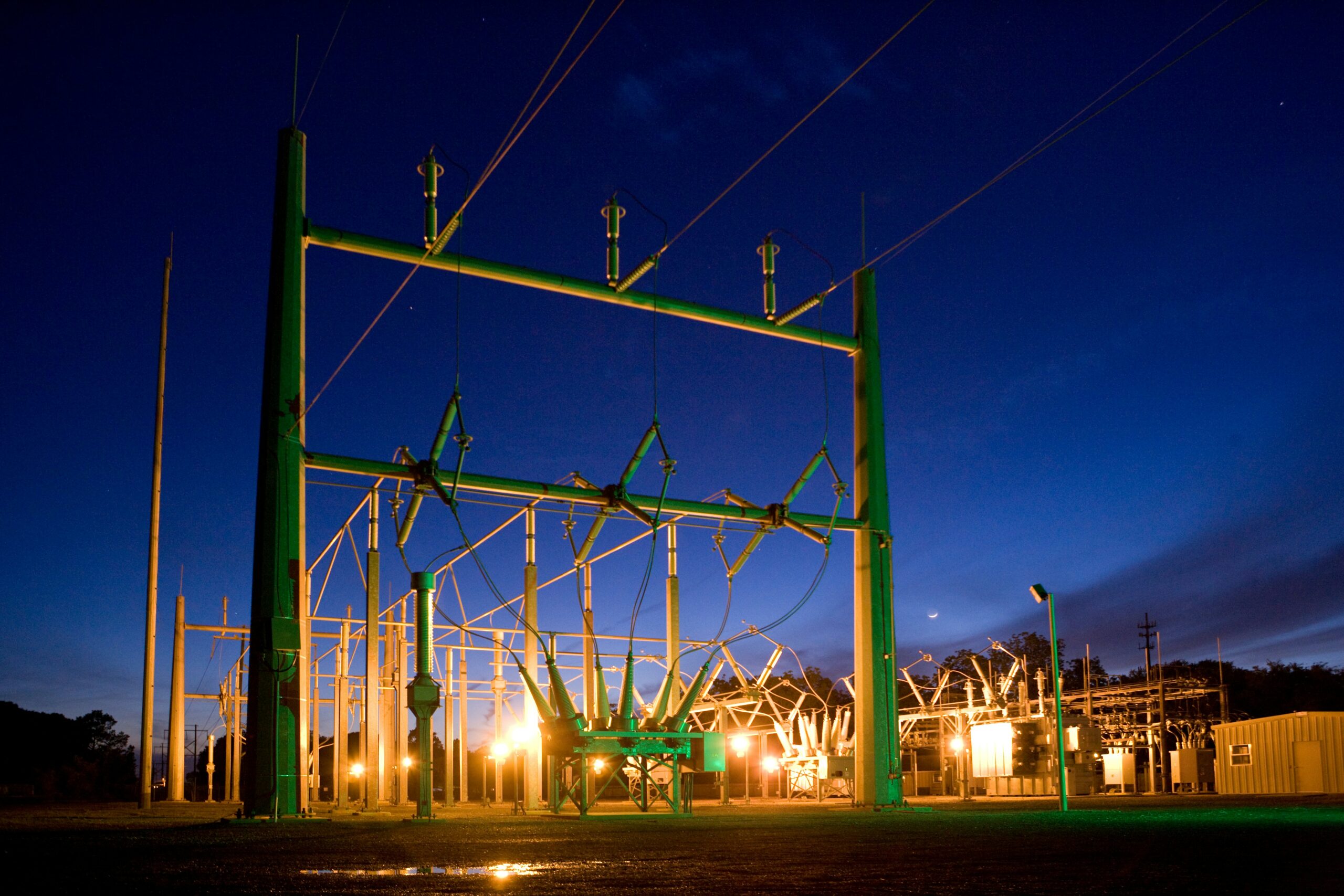

Electrification is essential to Europe’s clean energy transition, economic security, and competitiveness. Repeated energy crises have shown how continued reliance on fossil fuels weakens Europe’s economy and exposes it to shocks beyond its control. Catalyse Europe welcomes the Commission’s Electrification Action Plan (EAP) as the right structural response to this vulnerability.
The plan will, however, only succeed if it makes electricity the economically rational choice for households and businesses. Closing the cost gap across the full value chain will be essential: generating clean electricity more cheaply, moving it more efficiently through the grid and lowering the cost of electrification technologies for end users. The EAP should result in binding commitments and concrete measures, not aspirations. An accompanying industrial strategy would enable manufacturers to produce the technologies required for electrification at scale and at competitive prices, while addressing the security risks created by foreign dependence on key clean technologies.
Closing the cost gap is the EAP’s central task
Electricity accounts for less than a quarter of EU final energy consumption, largely because electricity remains structurally more expensive than gas for most users.
The EAP should work alongside and enable complementary EU legislation across the entire value chain. This means expanding low-cost clean generation through the post-2030 energy framework; using batteries, flexibility and smarter grid operation to reduce system costs; and reforming network tariffs and energy taxation so that they no longer penalise electricity relative to fossil fuels.
A credible ETS carbon price signal will also be necessary, alongside measures to lower the upfront cost of electric technologies. At the same time, lawmakers need to reach an ambitious agreement on the Grids Package so that networks can meet rising electricity demand.
The Commission’s proposals to narrow the tax differential between electricity and gas and reform network tariffs to reward flexibility mark necessary first steps, but they must go far enough to change investment decisions. If high costs remain or infrastructure bottlenecks persist, Europe will miss its electrification targets. Closing the cost gap across the entire value chain is the precondition for the EAP to deliver.
Credible commitments and implementation at national level must drive investment
The plan’s 46% electrification target for 2040 provides a useful indication of ambition. But a direction of travel only delivers if it is followed by concrete legislative commitments and, critically, by actual implementation at Member State level.
The Commission’s decision to assess the 46% target as part of the Energy Union Package in Q4 2026 offers a useful first step, but it should follow that assessment with a legislative proposal and secure its rapid adoption. National commitments would give investors confidence, support deployment at greater scale and help make electrification cheaper than fossil alternatives.
The EU’s recent implementation record also threatens delivery. Many Member States still have not implemented key files from the previous legislative cycle. Clear timelines, effective enforcement and mutual accountability between the Commission and Member States are now required.
The EAP, Europe’s clean industrial strategy and its financing framework should operate as a mutually reinforcing whole
The EAP sets the pathway for economy-wide electrification. Without concrete implementation, Europe’s emerging industrial strategy will not create the large and predictable market that manufacturers need to produce heat pumps, batteries, grid equipment and other essential components at scale. Growing demand for clean electricity and electric technologies will give manufacturers scale, drive down costs and make electrification more affordable.
In order to meet the necessary demand though, Europe can only sustain rapid deployment if its manufacturers can supply the required technologies at competitive prices and in sufficient volumes. The Industrial Accelerator Act provides a starting point, not the complete answer. In a recent letter, Catalyse Europe joined manufacturers, investors and civil society organisations in calling on the EU to align the current State aid framework with this ambition by allowing temporary, degressive and bankable output-based support for cleantech manufacturing. Embedding this support in a broader financing framework will be crucial to mobilising private capital through instruments including the upcoming European Competitiveness Fund and Industrial Decarbonisation Bank.
Without these measures, Europe will depend on imports for the technologies its own strategy demands. That dependence will weaken its competitiveness and resilience while putting the cost reductions associated with domestic production at scale out of reach.
Electrification should strengthen security and resilience, not create new dependencies
As Europe accelerates electrification, it will rely more heavily on technologies with concentrated supply chains, including batteries that provide grid storage and flexibility and digital systems that manage the energy network. The faster Europe electrifies, the more its energy system will depend on foreign components, software and data flows that hostile actors could exploit to disrupt or disable critical infrastructure. Trading fossil fuel dependence for foreign-controlled energy infrastructure does not create resilience.
Strong foreign direct investment conditions under the Industrial Accelerator Act, robust cybersecurity requirements for critical energy infrastructure and an ambitious Energy Security Framework that treats dependence on clean technologies as a core supply-security risk should therefore accompany the EAP.
The test for the EAP is therefore clear: whether it can create an affordable, scalable and secure electricity system that makes electrification the rational choice for households and businesses across Europe.