Catalyse Europe and partners launch the Backbone Coalition to strengthen Europe’s battery value chain
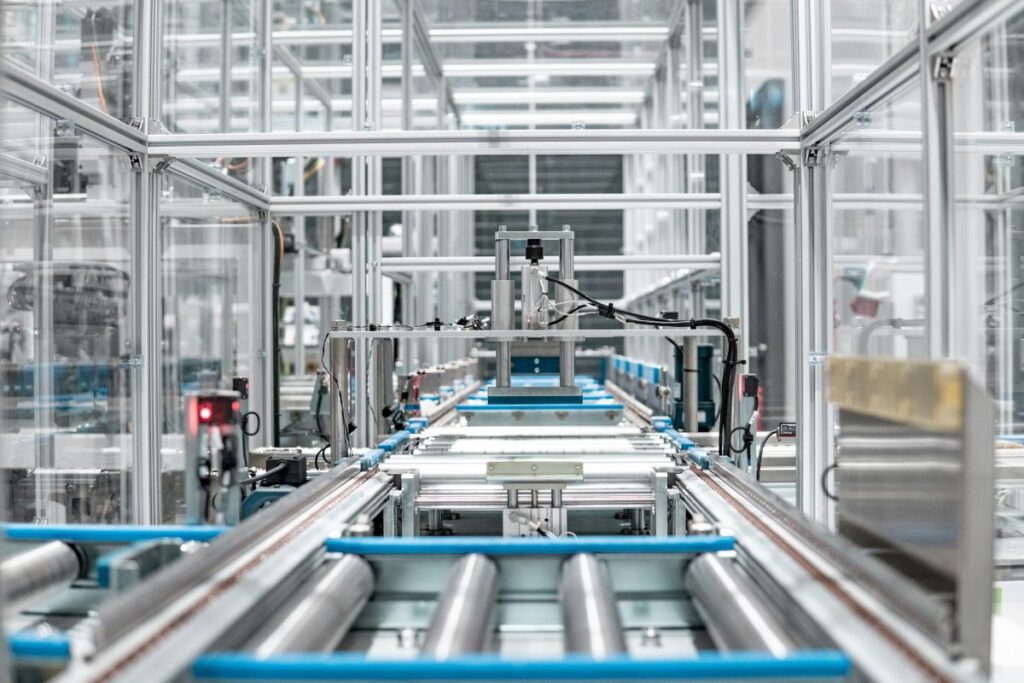
Catalyse Europe, together with the European Initiative for Energy Security (EIES), Transport & Environment and Loom Strategy, has launched the Backbone Coalition, a new initiative focused on strengthening Europe’s battery value chain. The Coalition launches with Europe’s Electric Backbone: A Strategy for the Future of Batteries, a new briefing paper setting out the strategic case […]
Europe’s Electric Future is a Test of Nerve
In a new piece for Catalyse Europe, Senior Fellow Eamon Ryan examines the European Commission’s Electrification Action Plan and review of the Emissions Trading System, and what they mean for Europe’s economic security and competitiveness. “The doubters have no answer to the question as to how we will be more competitive or secure when we […]
EU-China Trade Talks: Will Europe Fold Without a Fight?
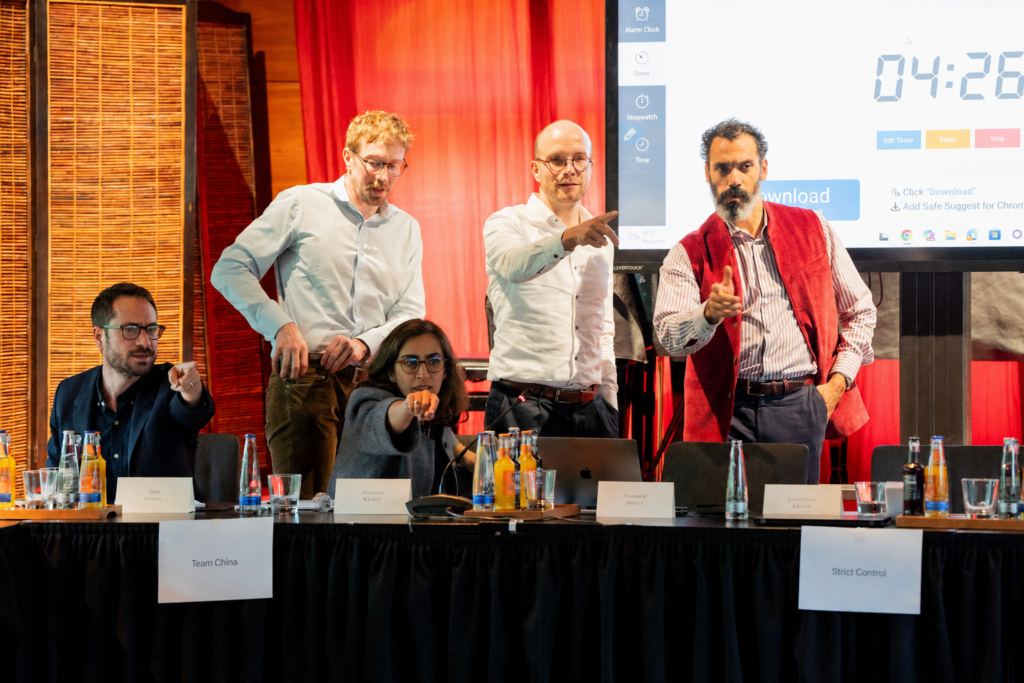
By Shahin Vallée, Senior-Fellow, Catalyse Europe On 29 June, Catalyse Europe hosted a series of panels on the Industrial Accelerator Act that I contributed to by moderating a session, just as Commerce Minister Wang Wentao and Trade Commissioner Maroš Šefčovič co-chaired the inaugural meeting in Brussels of what is now formally called the China-EU Trade and […]
EU should open state aid to cleantech manufacturing to meet electrification goals
Catalyse Europe has joined manufacturers, investors, industry associations and civil society organisations in calling on the European Commission to reopen the Clean Industrial Deal State Aid Framework and make support for cleantech manufacturing more bankable. Ahead of the upcoming Electrification Action Plan, the letter argues that Europe’s industrial and electrification ambitions will only be credible […]
The climate conversation is changing. Not optimism, but a way forward
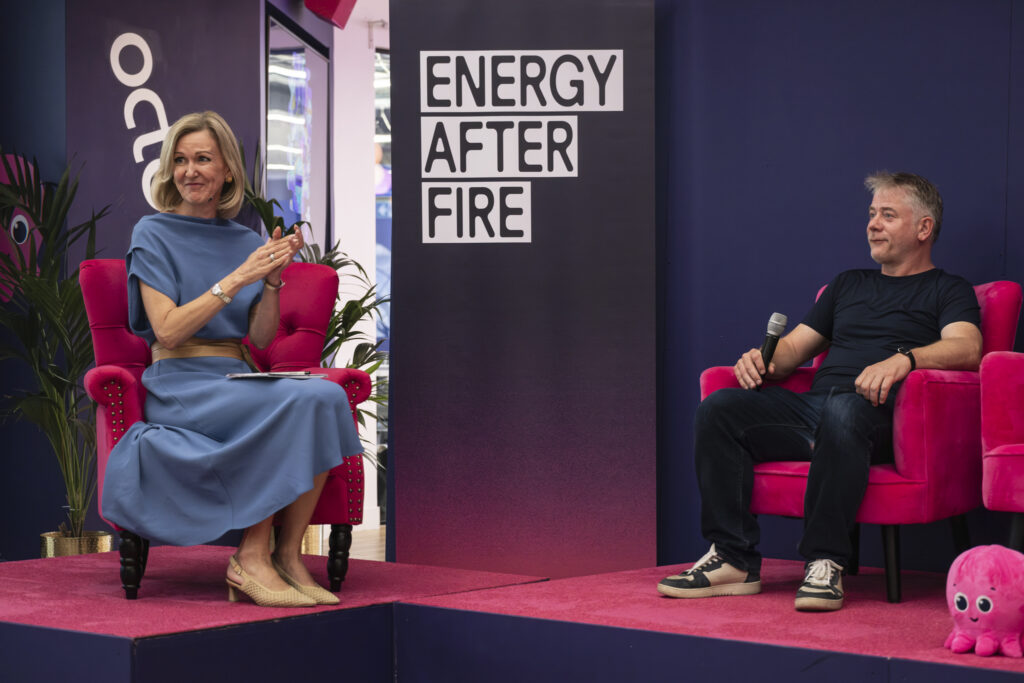
By Jon Fuller, Co-Founder and Executive Director, Catalyse Europe In recent years, conversations about climate and energy have often felt heavy. Not because the case for action had weakened. If anything, the opposite was true. But the mood around the transition had become increasingly defensive: shaped by political backlash, high energy prices, fiscal pressures, industrial […]
Catalyse Europe convenes Brussels discussion on Europe’s clean industrial strategy and energy resilience
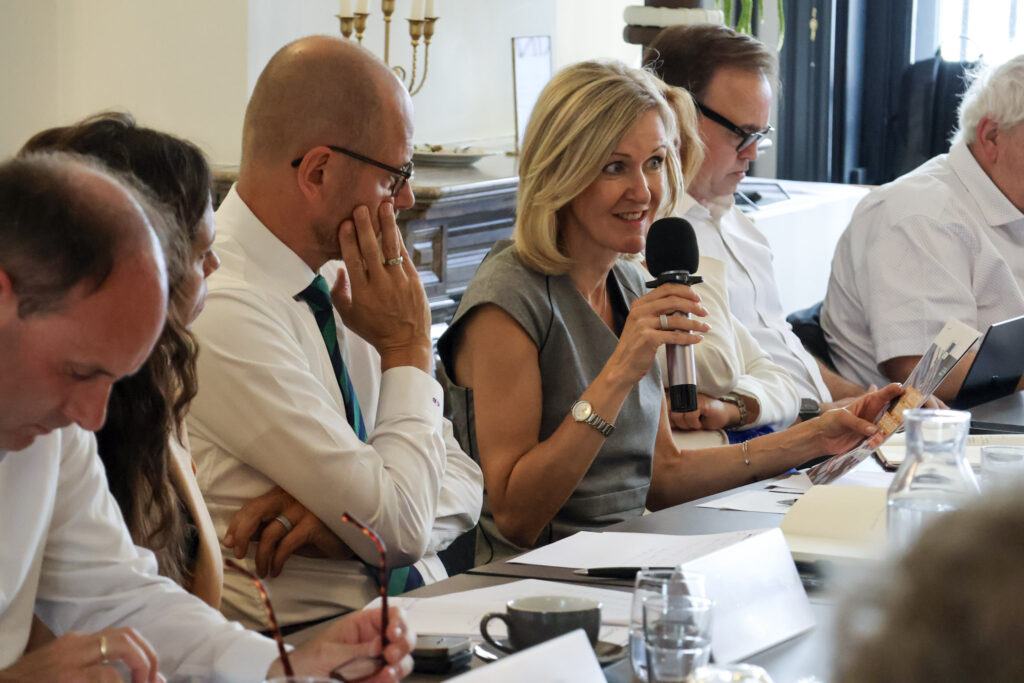
On 29 June in Brussels, Catalyse Europe, alongside Institut Montaigne, the Berlin Jacques Delors Centre and the Energy Resilience Leadership Group, had the privilege of convening senior voices from EU institutions, industry, finance and research under the theme Made in Europe, Made with Europe: Industrial Strategy and Energy Resilience in an Age of Geopolitical Disruption. […]
Six Months In and Why This Moment Matters
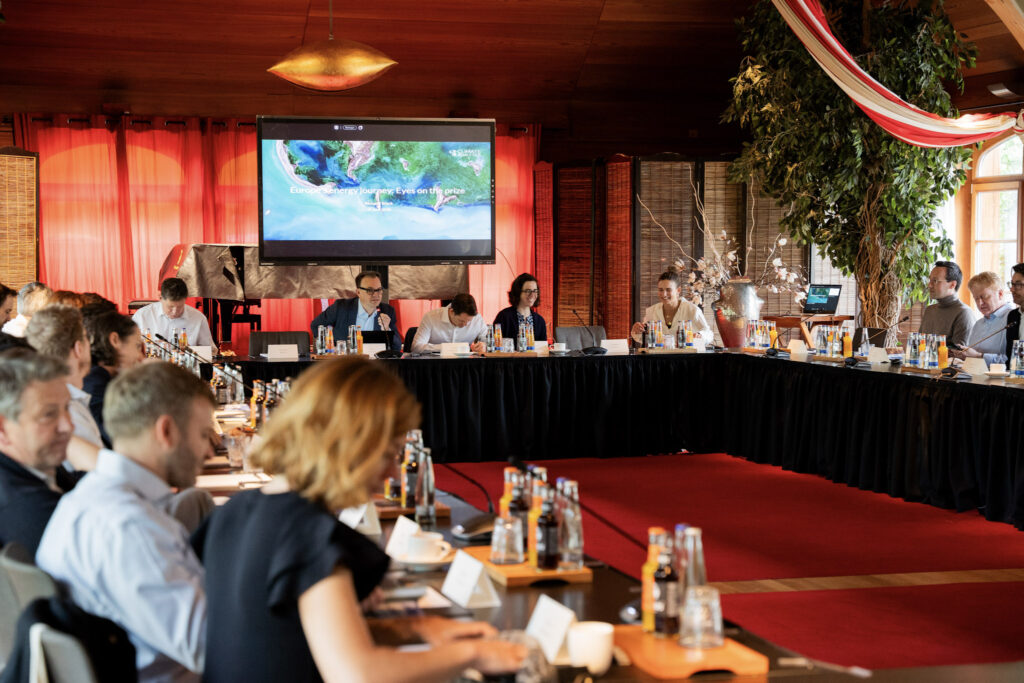
Reflections from Schloss Elmau Last week, over fifty people gathered at Schloss Elmau in Bavaria for Catalyse Europe’s first retreat. The weather was grey and overcast. The conversations were certainly not. I wanted to take a moment to share what we discussed because the issues this group spent two and a half days wrestling with are […]
Energy After Fire – An invite-only Summit

An invite-only summit for the people shaping the electrotech revolution The energy transition is happening now. Renewables are dominating new energy supply, outpacing legacy systems, and outcompeting fossils on security and resilience. Energy After Fire brings together 100 of the tech, finance, and policy leaders driving this transition for a practitioner-led afternoon of constructive debate, […]
The Case for a New Model of Clean Technology Partnerships

Across Europe, demand for clean energy technologies is rising and Europe is not on track to hit its own targets in key sectors. The supply chains that underpin crucial technologies (such as critical materials, permanent magnets, batteries and wind power) are – or risk becoming – highly concentrated and exposed to geopolitical risk, threatening European […]
Clean Technology Partnerships Initiative: EU Energy Supply Chains Analysis

Across the EU, demand for clean energy technologies is rising rapidly. But the supply chains that underpin these technologies remain highly concentrated, creating vulnerabilities that affect economic competitiveness, energy security, and the pace of the transition. Our latest analysis examines seven priority technology areas – from batteries and grid equipment to green steel and nuclear […]